 AsaaseYaa
Cutworm
A fat grey caterpillar that hides in the soil by day and cuts young seedlings off at the base at night.
When it comes
| Crop | Stage | Check |
|---|---|---|
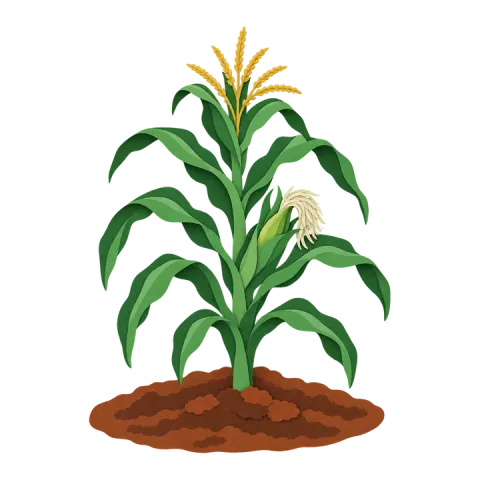
| Maize | Establishment | Scout every 3–4 days |
| Tomato | Establishment | Scout daily for first 2 weeks |
| Pepper | Establishment | Scout daily for first 2 weeks |
| Soybean | Establishment | Scout daily for first 10 days |
What to look for
Walk the field every 3–4 days. Look at the young leaves — if they have ragged holes or look chewed, you have caterpillars. Bend down and check the base of each plant: small black pellets (looks like coarse pepper) means Fall Armyworm has been there. If more than 1 in 5 plants is damaged, spray with a recommended pesticide that evening.
Check the seedlings every day for the first 2 weeks. Plants cut off at the base = cutworms come out at night. Plants wilting at soil level = a soil disease (damping-off) — pull and burn them. Tiny white flies under the leaves carry a bad virus that yellows and curls leaves; treat fast.
Young pepper is very fragile. Check every day for the first 2 weeks. Plants cut off at the base = cutworms (treat the soil). Plants wilting at soil level = a fungal disease — pull and burn them. Tiny green/black bugs in groups under leaves = aphids; they carry viruses, treat fast.
Look at the seedlings every day for the first 10 days. Plants cut at the base = cutworms (active at night). Tiny insect tunnels into stems near the soil with yellowing/wilting = bean fly — treat fast or replant. Once seedlings are damaged, recovery is hard.
Also watch for
General advice from crop guides for Ghana. Before you spray, ask your agro-input dealer for a product registered for this pest, read the label, and wear gloves. For a serious attack, call your district agriculture office or an agronomist.
Catch it early
AsaaseYaa reminds you when to check your crop for pests, and shows you what to look for. Free.