 AsaaseYaa
Spider mites
Tiny mites under the leaves, sometimes with fine webbing. Leaves get pale speckles and dry out.
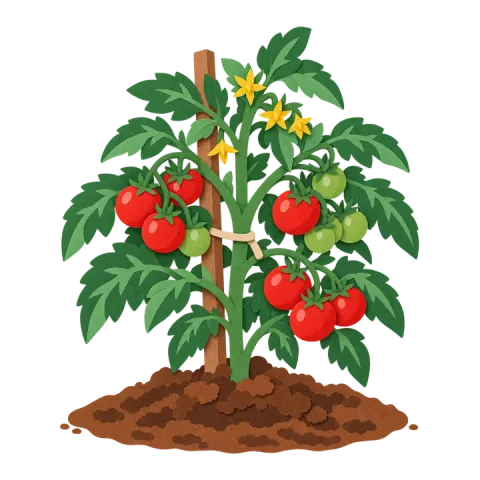
When it comes
| Crop | Stage | Check |
|---|---|---|
| Tomato | Vegetative growth | Scout twice weekly |
| Pepper | Vegetative growth | Scout twice weekly |
| Soybean | Vegetative growth | Scout twice weekly |
| Yam | Vegetative growth | Scout every 2 weeks |
What to look for
Twice a week, turn over leaves and look underneath. Tiny white flies or green/black bugs in groups = aphids/whitefly. Fine spider-web on the leaves and silver-bronze leaf colour = spider mites (worse in dry weather). Curly white winding lines on leaves = leaf miners eating inside.
Twice a week, look under the leaves. Tiny insects in groups = aphids or whitefly. Silvery scars on leaves = thrips. Webbing or bronze leaves (worse in dry weather) = spider mites. White flies are the dangerous ones — they spread a yellow-vein virus.
Twice a week, turn over leaves and check underneath. Yellow then brown leaf tips = leafhoppers. Bronze/silver leaves with fine webbing = spider mites (worse in dry weather). Tiny green bugs in groups = aphids. Treat heavy infestations.
Every 2 weeks, look at the leaves and vines. Yellow patchy patterns on leaves = a virus (no cure — only prevention is using clean seed yam). White or brown crusty patches on stems = scale insects. Bronze-coloured leaves in dry weather = tiny mites.
Also watch for
General advice from crop guides for Ghana. Before you spray, ask your agro-input dealer for a product registered for this pest, read the label, and wear gloves. For a serious attack, call your district agriculture office or an agronomist.
Catch it early
AsaaseYaa reminds you when to check your crop for pests, and shows you what to look for. Free.